guardrail net
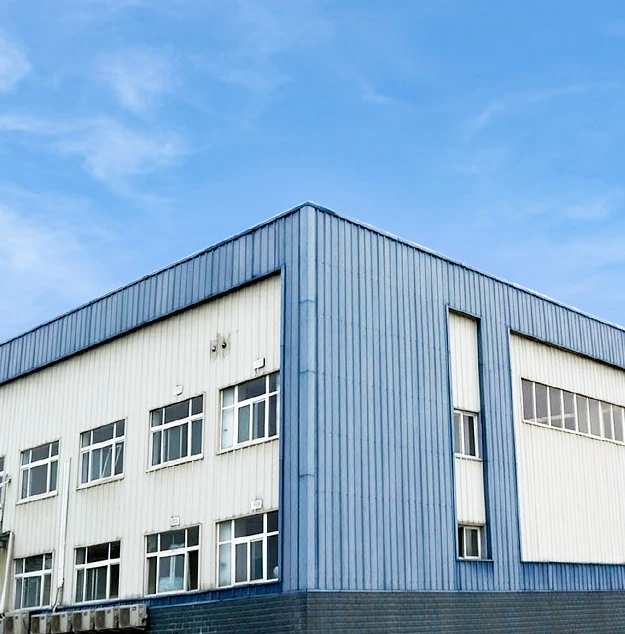
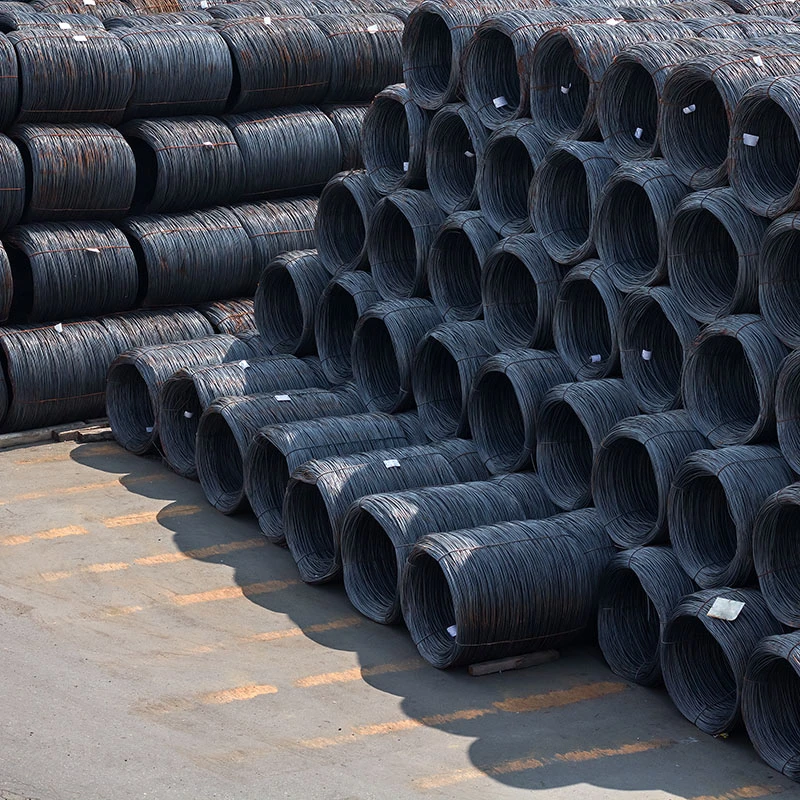
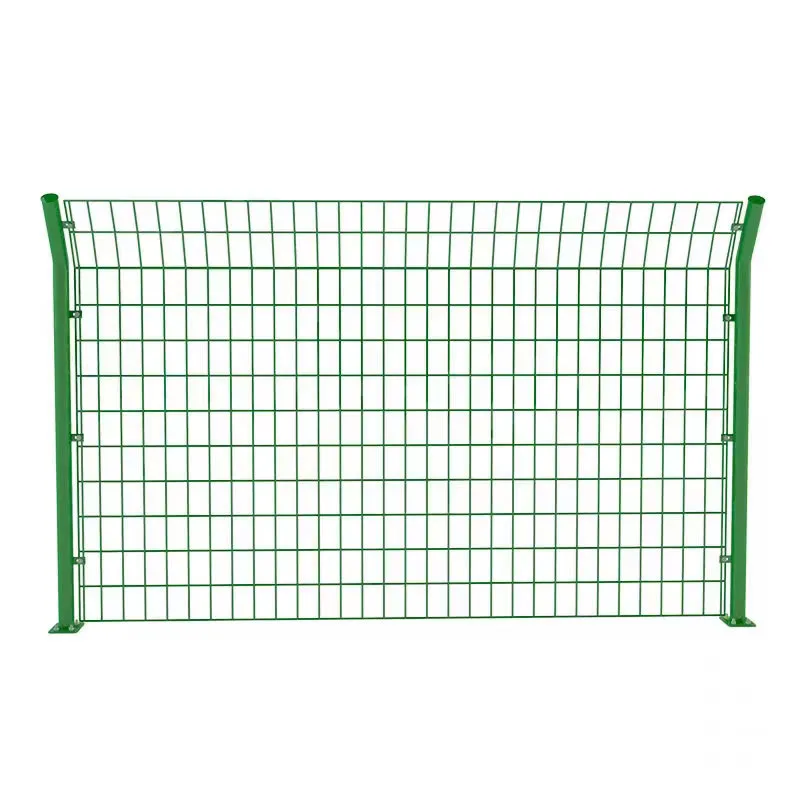
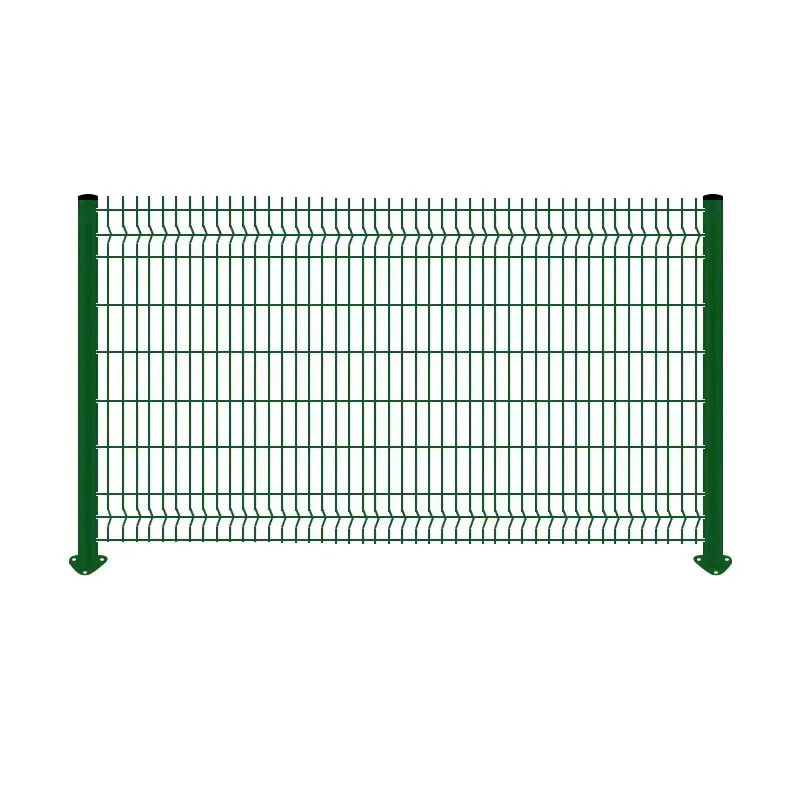
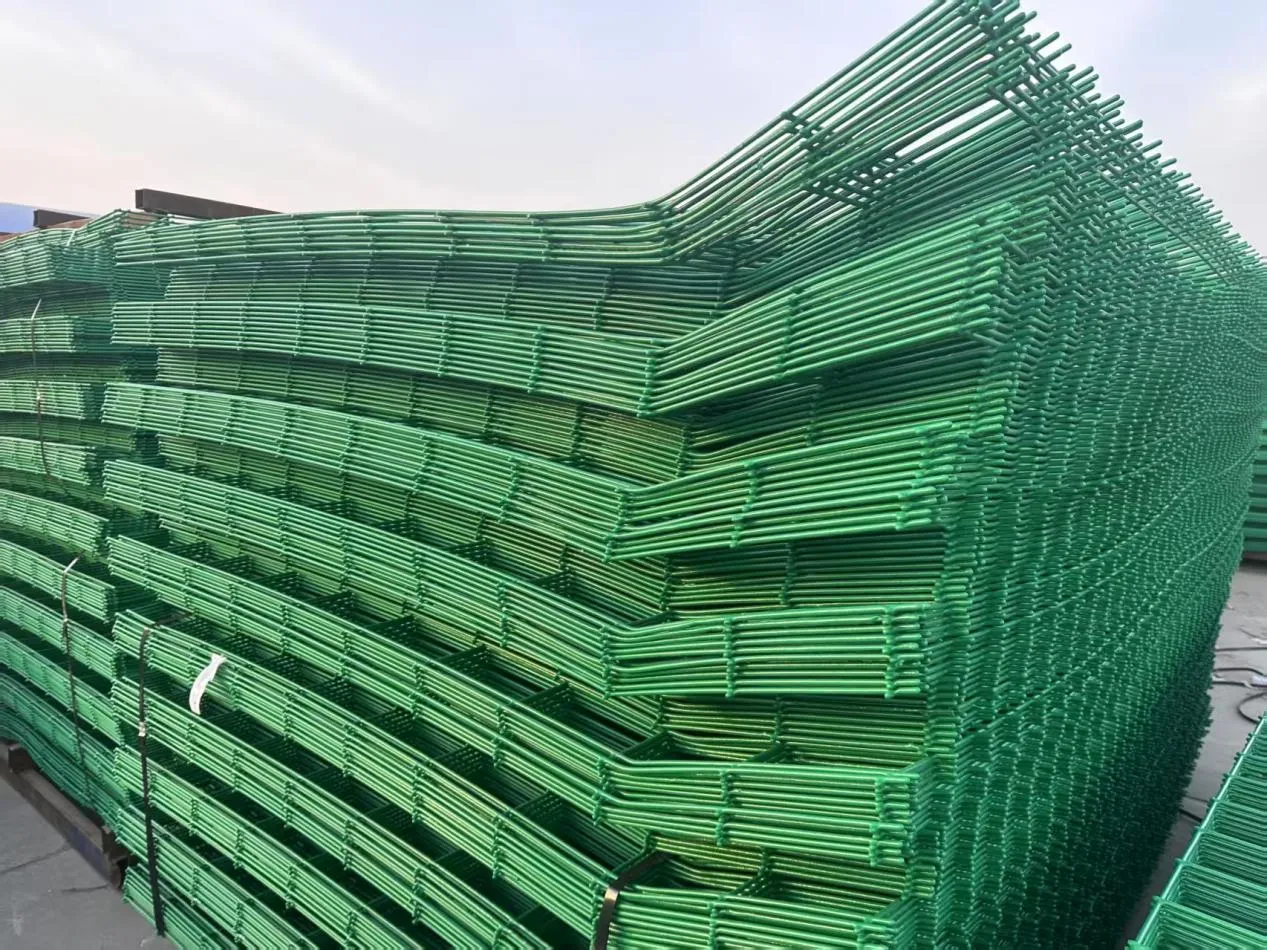
Peach-Shaped Column Guardrail 3D Wire Mesh Fence: Field Notes, Specs, and Buyer Tips If you’ve ever walked past a tidy municipal park and wondered why the fencing looks so clean and rigid at the same time—that’s usually a 3d fence . To be honest, the market has been quietly shifting toward V-bent welded panels with peach- or Y-shaped posts because they combine security, visibility, and that “doesn’t ruin the view” factor. From Anping County to EU suburbs, demand is up, driven by city upgrades and residential projects that want safety without looking like a prison. What it is (and why buyers like it) The Peach-Shaped Column Guardrail 3D Wire Mesh Fence uses low-carbon or galvanized steel wire (stainless optional), spot-welded into a rigid panel with pressed V-bends for stiffness. Posts feature a peach/Y-shaped cross-section—sleek, strong, easy on the eyes. Many customers say they chose it because it “blends in,” especially around gardens, schools, residential areas, and municipal walkways. Core Specifications (typical) Materials Low carbon steel wire / Galvanized steel wire / Stainless steel wire Post cross-section Peach- or Y-shaped Wire diameter ≈4.0–6.0 mm (real-world projects vary by load/security) Panel height × length 1.0–2.5 m × 2.0–3.0 m (standard), customizable Mesh aperture (typical) 50 × 200 mm or 75 × 150 mm (project-based) Finish Hot-dip galvanized (ISO 1461), powder-coated (ISO 12944), or pre-galv + powder Process Flow and Quality Checks Materials arrive in coils from Hebei mills and get straightened, cut, and resistance-welded into panels. After V-bending, surfaces are pretreated (degrease, rinse, phosphate), then hot-dip galvanized or powder coated. Posts are formed, punched, and capped; accessories matched. Testing usually follows: - Coating thickness: EN 10244-2 (wire) / ISO 1461 (hot-dip). - Salt spray: ISO 9227, ≈500–1,000 h for powder over zinc—site conditions vary. - Weld shear strength and bend tests: internal QC + ASTM A641 guidance on wire zinc classes. - Dimensional tolerance checks per customer drawings. Service life? In fact, it depends: inland residential use can see 10–20 years; coastal needs heavier zinc and higher-spec powder to hit the same window. Where it’s used (and why it works) - Municipalities and greenbelts where visibility and signage matter. - Gardens and campuses that want an elegant perimeter. - Residential areas needing a child-safe yet airy boundary. - Light industrial parks—surprisingly popular for carparks. Advantages: fast install, strong rigidity from V-bends, low maintenance, and clean lines. I guess that’s why buyers keep shortlisting the 3d fence over chain-link when budgets allow. Vendor Snapshot (real-world differences) Vendor Coating & Testing Certs Lead Time Notes Jinzehong (Anping, Hebei) ISO 1461 hot-dip; ISO 9227 ≥720 h option ISO 9001; in-house QC ≈15–25 days Custom peach posts, tight panel flatness Vendor A (EU importer) Pre-galv + polyester; ISO 9227 ≈480 h CE marking on hardware Stock/quick ship Higher price, consistent color lots Vendor B (APAC) Powder only; limited salt spray data Factory QA statements ≈20–30 days Budget-friendly, watch weld quality Customization and Options Heights 1.0–2.5 m, lengths 2.0–3.0 m, multiple apertures, gates to match, and RAL colors. Hardware kits include U-clamps/anti-theft fasteners. Origin: South Road, 500 m North of Houzhangzhuang, Anping County, Hengshui City, Hebei Province—yes, the wire mesh capital. Field Results (mini case notes) - Municipal riverwalk: 1.8 m panels, hot-dip + polyester. After two winters, only minor dusting—no blistering reported. - Residential compound: 1.5 m panels, pre-galv + powder. Manager feedback: “Rigid, kids can’t rattle it loose; color matched shrubs nicely.” Bottom line: a well-built 3d fence gives you a neat, durable perimeter without visual clutter. Quick Test Data Snapshot - Zinc mass (hot-dip): typically ≥275 g/m² per ISO 1461 recommendations. - Salt spray (powder over zinc): 500–1,000 h (ISO 9227), project-specific. - Weld shear: internal tests ≥30% of wire tensile, panel bend OK at 90°—verify per lot. Citations: ISO 1461: Hot dip galvanized coatings on fabricated iron and steel articles. EN 10244-2: Steel wire and wire products — Zinc and zinc alloy coatings. ASTM A641/A641M: Zinc-Coated (Galvanized) Carbon Steel Wire. ISO 9227: Corrosion tests in artificial atmospheres — Salt spray tests. ISO 12944: Paints and varnishes — Corrosion protection of steel structures by protective paint systems. ISO 9001: Quality management systems — Requirements.